
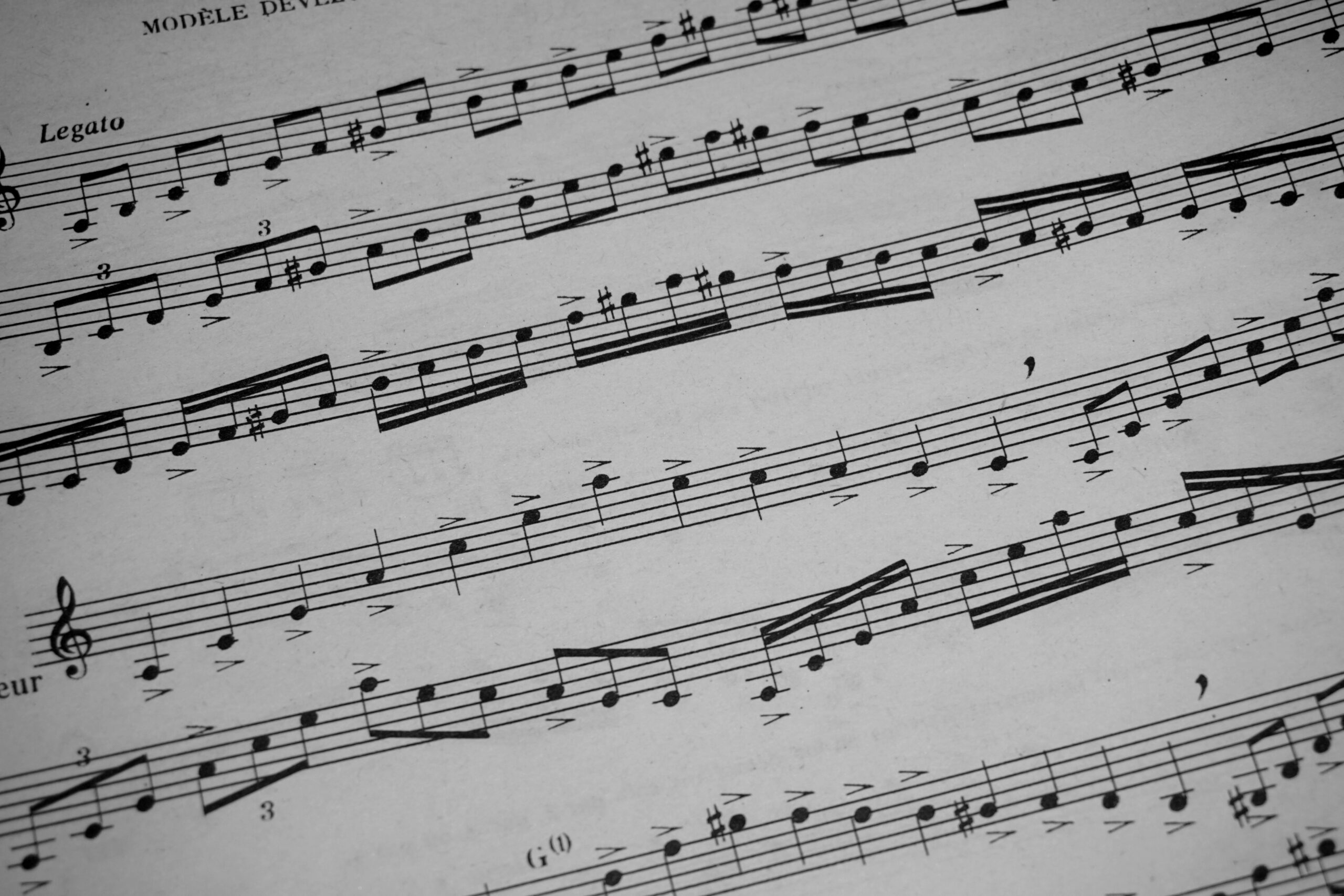
Musical composition is an art that requires both creativity and technique. Although each composer has their unique style, There are several techniques that can help you develop your skills and create original music. In this article, You will learn elements, types, Musical composition techniques. In addition to, Like a course, Like those offered by Andante, It can be of vital importance.
What is the musical composition?
The musical composition consists in the creation of a musical piece, through combining musical elements and their parts. That is to say, It is the process of creating a new musical piece. Forks, The composer the person who expresses his own ideas by using these sounds.
How a musical composition course can help you
While it is possible to learn in a self -taught way, and Musical Composition Course You can offer you a more structured approach. Here are some reasons to consider registering in courses such as those offered by the Andante School of Music, Located at the Portalejo shopping center, Rota (Cádiz).
- Structured learning. In the courses a guide is offered to learn the foundations and techniques of the composition, in a more structured way.
- Access to resources. You will have access to study materials, digital tools and practical examples that will facilitate your learning, that individually, Maybe, You wouldn't have.
- Constructive feedback. Receiving comments from teachers and classmates can help you improve your compositions and develop your personal style.
Elements of musical composition
Before deepening the techniques, It is essential to understand the basic elements of musical composition.
1. The rhythm
The rhythm Order the sounds in time y establishes a pulsation that guides the succession of them. It is key to structuring a composition and can affect the energy or character of music. When choosing an adequate rhythm, They are created from soft and melodic pieces to energetic and danceable songs.
2. Melody in the musical composition
It is the main musical line that the listener remembers. It consists of a succession of notes that form a coherent musical phrase. The construction of an effective melody is key to attracting the public and evoking emotions.
3. Harmony in the musical composition
This element It refers to the combination of simultaneous sounds that complement the melody. By using different chords and tones, You can add color and depth to your composition.
4. Dynamic
It refers to variations in music intensity. Play with dynamics can generate emotional contrasts in your composition, making some moments more intense and others soft.
5. Texture
The texture refers to how the different voices and instruments are combined and relate. The texture brings wealth to the sound and allows to create different layers that enrich the listener's experience.
Best -known musical composition techniques
The musical composition implies a series of techniques that help to give life to musical creations. These tools are essential to build works that really resonate emotionally with the listener. By using different elements, Ideas can be expressed and connect more deeply with listeners.
1. Use of versification
This implies organizing the text or lyrics in the melody. By creating a coherent structure of phrases and stanzas, You can improve musical expression. The choice of words not only affects the message, It can also influence the rhythm and metric of the melody.
2. Rhythmic experimentation
Test different rhythmic patterns contributes a unique character to the composition. From changes in compass to unusual accents. This can transform a simple idea into something surround.
3. Create reasons in the musical composition
Creating reasons is a classic technique in musical composition. A reason is a small repeated musical idea throughout the piece. You can vary the reason in different contexts, which generates interest and cohesion in music.
4. Melodic composition
The development of the melody is fundamental. Begins by creating a simple melodic line and from this, Start developing. You can vary the melody using changes of hue or adding ornamentations to give it more wealth.
Types of musical compositions
It is useful to know the classifications of musical compositions, since each of them has unique characteristics that define them. Understanding these differences better appreciate the diversity of music and how each style can evoke specific emotions or tell stories in different ways:
- Música mono: This type of music It is characterized by having a single melody, Without any accompaniment. It is the most basic form of musical expression.
- Accompanied melody: In this case, There is a main melody that stands out and is backed by chords. Harmony complements the melody, adding wealth and depth to the composition.
- Polyphonic music: In this style, Several melodies are intertwined, creating a complicated musical fabric. Each melodic line has its own character and contributes to the whole, generating a rich and dynamic auditory experience.
- Song: A song is a composition that includes both lyrics and melody. The letters contribute context and narrative, while the melody reinforces the feeling that you want to communicate.
- Instrumental music: This type of music It consists exclusively of instruments, Without voices. The expression is achieved through the timbres, rhythms and melodies that instruments can offer. This format allows greater creative freedom, since the composers experience with the loudness and structure without the limitations of the letters.
The musical composition is an art that combines creativity and technique. Know its elements and techniques, as well as Receive proper training, can enhance your skills and allow you to create original and emotional works. That's why, Andante, located in Portalejo shopping center in Rota, is here to help you with this process and with many others.